


Asset building and data quality
Financial markets are diverse, and the assets you can download rarely match what you need to test. A provider publishes the funds and indices it happens to list, in the currency and form it happens to choose—rarely the exact exposure you have in mind, and never adjusted to your own circumstances.
The building options exist to close that gap: to give you the best possible data for your situation, so you can build the best portfolio possible. They do three distinct things.
- Fit the data to your situation. Convert a series into your base currency, and apply the fees and yields you really pay, so a backtest measures your outcome rather than a generic listing's.
- Extend the history. pfolio keeps each asset's full available history—some series reach back to the early 20th century—and backfill extends a short one with a longer proxy, so a portfolio can be judged across different market regimes ( rallies, sell-offs, and rate cycles), not just the few years a fund happens to have existed.
- Construct exposures you cannot otherwise hold. Blend assets into a synthetic, or roll individual futures contracts into one continuous series, to build what a provider does not sell.
Each is a Created asset built on existing data, and the transformations stack.
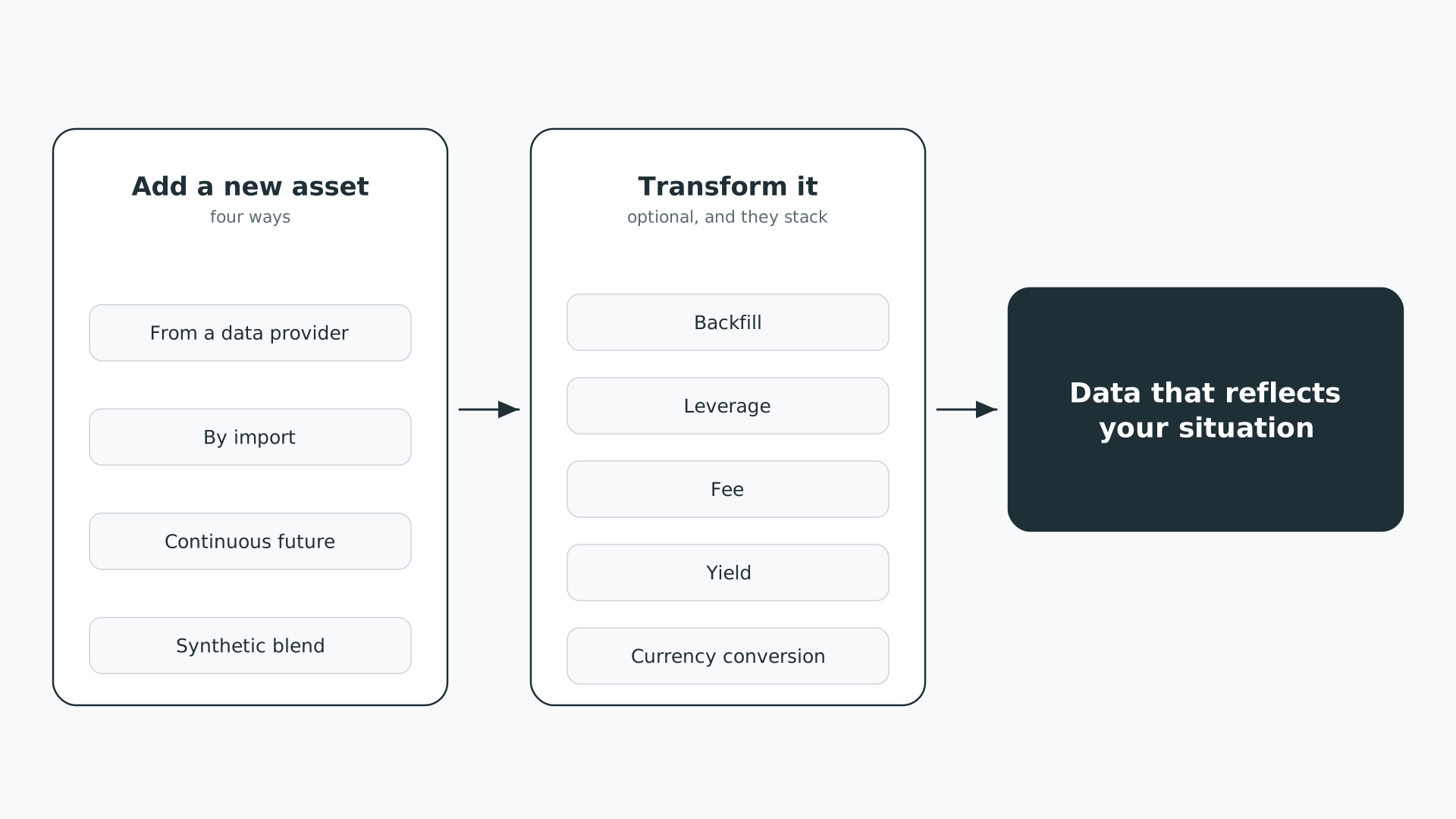
Adding and transforming assets into data that reflects your situation.
The deep dives cover each route: all asset transformations for backfill, leverage, fee, yield, and currency conversion; building synthetic assets for the constant-allocation blend; and building continuous futures contracts for the roll.
Every metric and backtest is only as reliable as the price series beneath it. A gap, a bad tick, or a missing total-return adjustment does not announce itself in a Sharpe ratio or a drawdown chart—it just moves the number, and you would not know.
So pfolio runs every asset through one cleaning pipeline, whether it was downloaded, imported, or created. The pipeline reindexes each series to a consistent trading calendar, carries prices across market holidays, fills the remaining gaps, and derives the total-return series with the standard distribution adjustment. The result is one canonical daily series, so any two assets are directly comparable.
That a series was cleaned does not mean it is sound, so the Asset Builder also reports a Data Quality table: how much had to be filled, the largest one-day moves, and how far the total-return series diverges from the price series. Read it before you rely on a series. Both the pipeline and the table are covered in processing asset data.
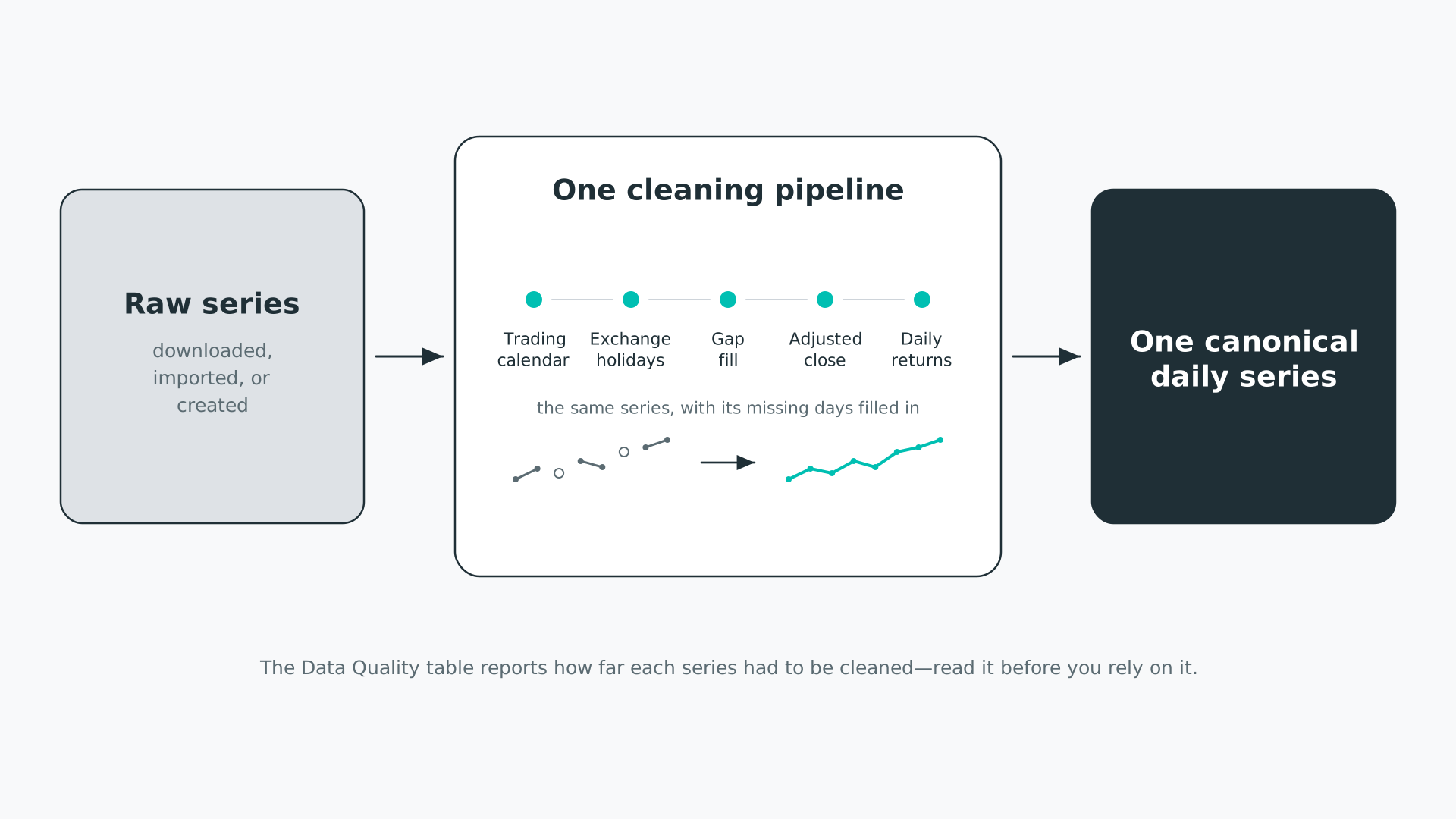
One cleaning pipeline behind every asset.


