


Rebalance frequency
Contents
A portfolio is not set once and left. On a regular schedule it is rebuilt: the assets are re-selected and re-weighted from the latest data. Rebalance frequency sets that schedule.
Frequency is weekly, monthly, or quarterly. Period rebuilds every N of those: with monthly frequency, a period of 2 rebalances every two months. The maximum period is 52 weekly, 12 monthly, or 4 quarterly. Monthly is the default.
Start Point sets where in each period the rebalance falls: Start of period, Mid period, or End of period. For weekly rebalancing this means Monday, Wednesday, or Friday; for monthly and quarterly rebalancing, the first, middle, or last weekday of the month or quarter.
| Start Point | Weekly | Monthly / Quarterly |
|---|---|---|
| Start of period | Monday | First weekday |
| Mid period | Wednesday | Middle weekday |
| End of period | Friday | Last weekday |

The Rebalancing Settings—Frequency, Period, and Start Point
When a new allocation takes effect
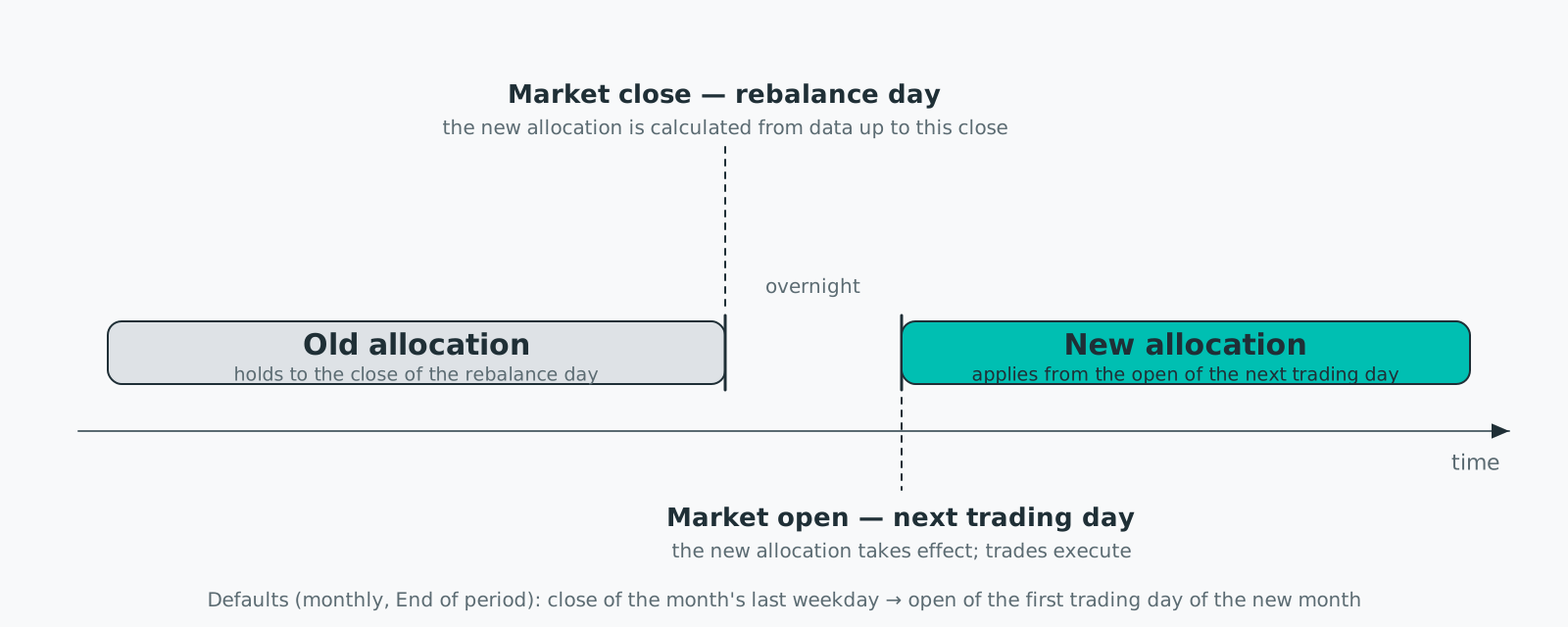
The switch between two allocations happens at the close of the rebalance day. The new allocation is calculated from data up to and including that close; the old allocation applies up to and including the close of the rebalance day, and the new allocation applies from the open of the next trading day. The boundary is always the rebalance day itself, wherever the Start Point places it in the period.
With the defaults—monthly frequency and End of period—the old allocation therefore holds until the market close on the month's last weekday, and the new allocation takes effect from the open of the first trading day of the new month. That is also the schedule for implementing the change in your trading account: the new allocations are published overnight and traded shortly after the market opens—see Investing your portfolio.
Rebalancing more often keeps the portfolio closer to its target, but trades more, raising turnover and transaction costs. How readily the portfolio changes also depends on the lookback window and on ranking and allocation inertia. This article covers when a rebalance happens; what happens inside each rebuild is walked through in How a portfolio rebalances.


